S2, E14: Dan Benshoff & AJ Nielsen - Volunteers of America
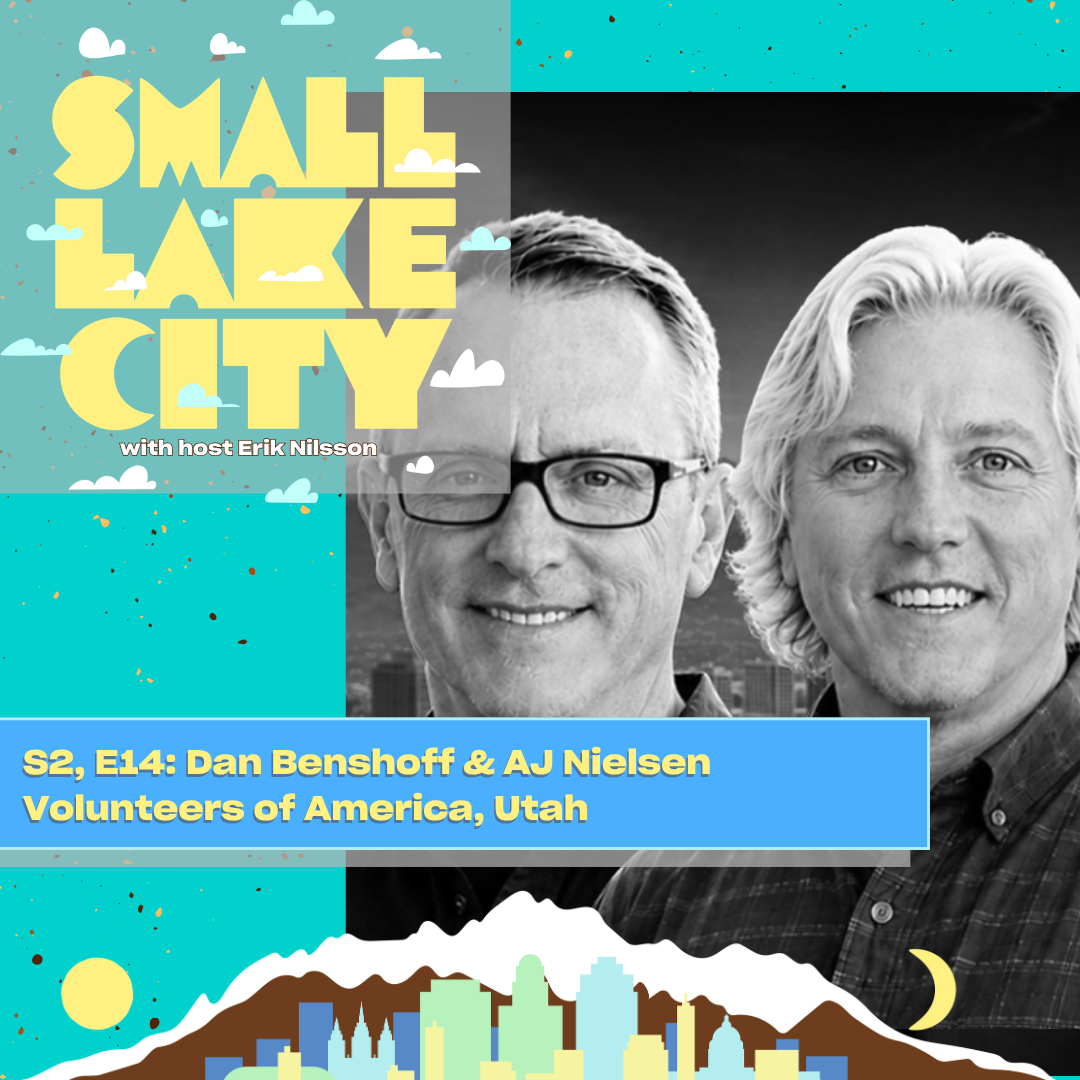
Salt Lake City homelessness is often talked about like a single, simple issue, but the reality on the ground is a tight knot of housing instability, addiction recovery, and untreated mental health needs. In this conversation with Volunteers of America Utah, we hear why quick blame and political finger pointing miss what matters most: people. The guests keep returning to a core idea that is both practical and human: solutions require “multiple villages” working together across shelters, detox, therapy, case management, law enforcement, and local policy. When we dehumanize the topic, we stop seeing brothers, sisters, parents, and kids, and we also stop building the partnerships that actually move someone from crisis to stability.
Volunteers of America Utah (VOA Utah) has served Salt Lake Valley for 40 years, growing from a small men’s detoxification center into one of the largest nonprofit human services providers in the region. Their work centers on three connected pillars: homelessness services, addiction treatment through detox and recovery programs, and mental health care. They operate shelters and recovery facilities staffed by trained professionals like therapists and social workers, while also coordinating thousands of volunteers each year. A key clarification is in the name: VOA Utah is not simply a volunteer club. It is a professional nonprofit organization that also relies on community engagement, meal teams, donation drives, and pro bono services like legal help, dental work, and haircuts.
The most powerful moments come from stories that show how change actually happens. A person may need multiple attempts in a detox center before recovery “sticks,” and that is not failure, it is the process. Volunteers describe how serving a meal at a youth shelter or a detox center quickly breaks stereotypes because you meet real people with real histories: foster care youth aging out without support, families pushed out by rising housing costs, job loss, medical debt, or LGBTQ youth rejected at home. The guests emphasize that success often starts with someone willing to sit with a person when things are messy and hard, offering a safe space and consistent support rather than a one time gesture.
Running a Utah nonprofit in 2025 also means navigating unstable funding. VOA Utah depends heavily on government funding such as Medicaid reimbursements and grants, but shifting rules, delayed commitments, and sudden pullbacks create chaos that makes long term planning difficult. When economic sentiment dips, private giving often dips too, even as the need rises. That is why the episode highlights practical ways the community can help: monthly donations that create stability, corporate giving that matches the region’s growth, and volunteering that is straightforward and relationship building. Meal service is the most common entry point, and mentorship programs for at risk youth can prevent homelessness before it starts. The takeaway is direct: solving homelessness in Salt Lake Valley takes persistence, curiosity, and coordinated support, and there is a role for almost everyone.
Listen to full episode :