S2, E13: Tyler Glenn - Neon Trees
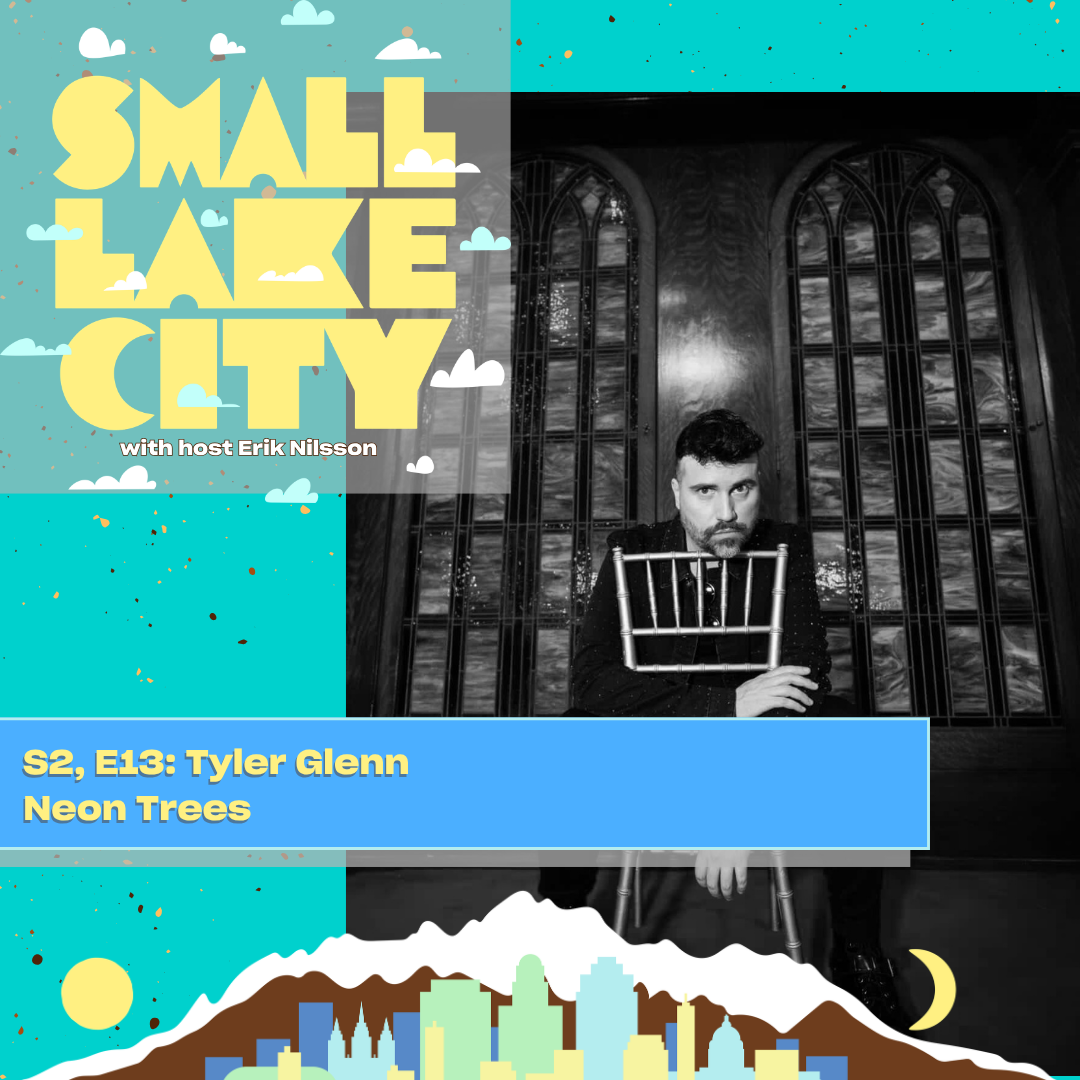
Tyler Glenn’s story sits at the intersection of alternative pop success, Mormon culture, and LGBTQ identity in Utah. He describes growing up Mormon while feeling like he never fully fit, and how music became both an escape and a mask. Records and music videos weren’t just entertainment, they were a place to try on a self that felt unsafe to show at church or at home. That tension is a common thread for many gay Mormon and ex-Mormon listeners: wanting faith, family, and belonging while also needing honesty. The conversation traces how shame can drive secrecy, but also how creative work can become a bridge from survival to self-acceptance.
The origin story of Neon Trees is grounded in very unglamorous reality: garage rehearsals, busking, early shows, and a local scene that mattered. Moving from Southern California to Provo looked counterintuitive for a music career, yet venues like Velour helped create a tight ecosystem where bands could play constantly, build a following, and learn fast. Tyler talks about writing on a mission with a simple recorder, then returning with urgency to start a band, taking any slot available, and treating tiny rooms like arenas. That mindset, plus regional touring through the Mountain West and the early internet era of MySpace and PureVolume, became the foundation for later breakthroughs.
When opportunity finally arrived, it looked like a chain of small breaks that only worked because the band was ready. Opening slots, industry mentors, and a key relationship with The Killers’ circle led to shows where major decision-makers paid attention. Tyler also digs into how songwriting actually works in a functioning band: lyrics and melody as a personal North Star, arrangement and production as a collaboration, and co-writing as craft rather than “selling out.” The episode pushes back on the myth of instant virality, emphasizing consistency, taking gigs, and shipping work. Even the stories about bigger tours underline a practical lesson: careers are built in years, not posts.
The most intense arc is the public evolution from “the Mormon band” to a frontman navigating a faith crisis and coming out. Tyler recounts being profiled for trying to be both gay and Mormon, then confronting policy changes that clarified how little room the institution had for him. He describes the emotional free-fall of deconstruction, the rabbit holes, and the relief that comes when shame dissolves. That relief fueled an art-forward solo project that spoke directly to religious trauma, even if it didn’t “win” in pop metrics. Out of that same experience came LoveLoud Festival with Dan Reynolds, built to offer real support for LGBTQ people shaped by faith, and now facing new funding and cultural headwinds as corporate DEI support fades.
Listen to full episode :