S2, E4: Moonshadow Farm - Andrea Morgan
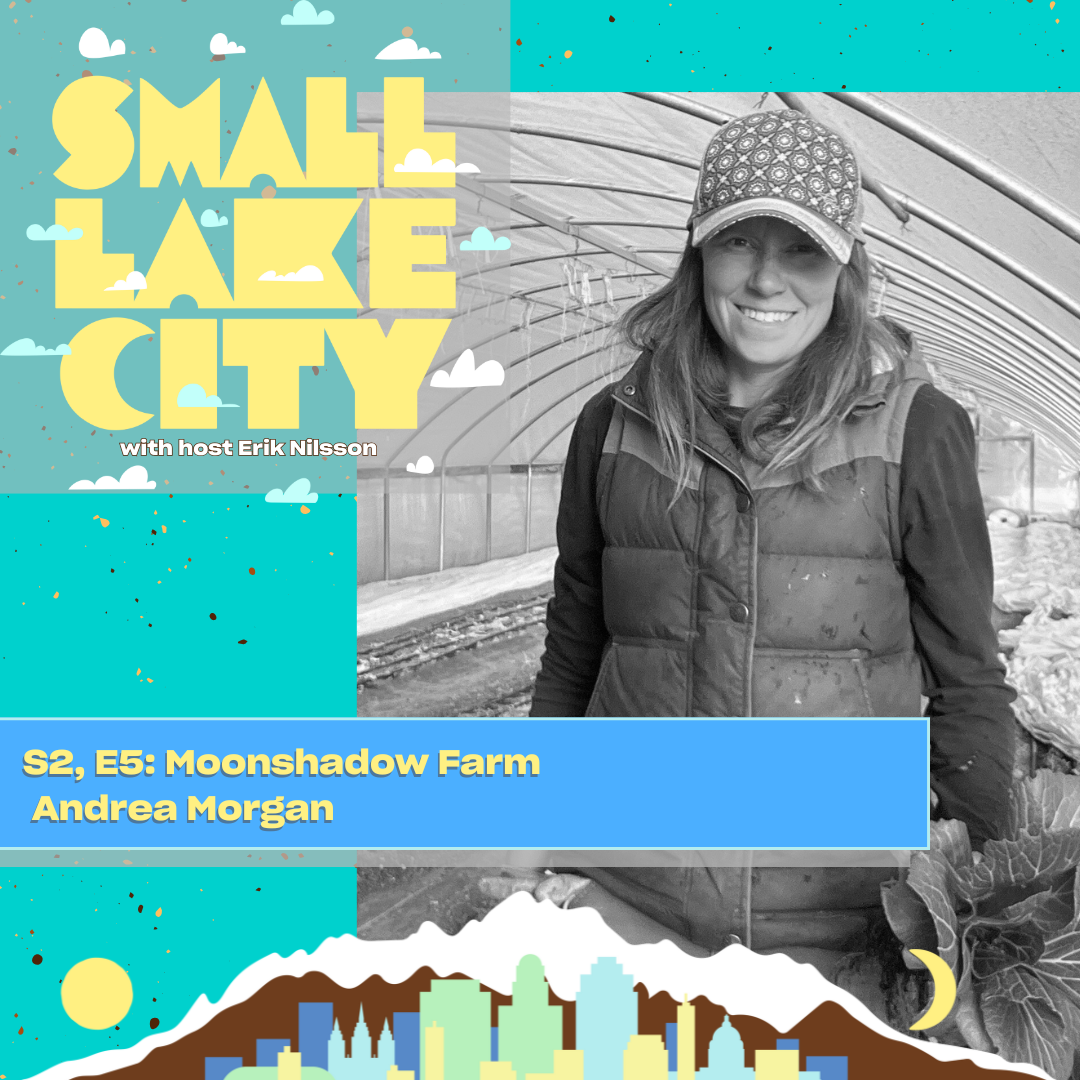
The story of Moonshadow Farm begins far from tidy rows of carrots and spinach. It starts with ballet shoes, lecture halls, and a restless need to do work that felt alive in the hands. Andrea Morgan found that charge at UBC’s student-run farm, where soil science classes bled into field days and a community rallied to defend irreplaceable land. That victory stitched values to practice: food has roots in culture, ecology, and place. Years of hands-on work across British Columbia rounded those roots with skills—milking at dawn, harvesting hops under twine canopies, pulling strawberries until your back remembers every plant. Farming, she learned, is knowledge plus timing plus weather, with humility as the binding agent.
Returning to Utah, Andrea stepped into Ranui Gardens, a legacy market garden serving Park City and Salt Lake. There she learned the unforgiving math of small-scale agriculture: planning crops against frost dates, matching labor to harvest windows, tracking margins that swing with diesel and drought. Wholesale accounts with chef-driven restaurants rewarded consistency and flavor, but demanded cadence—greens washed cold and crisp, roots graded tight, deliveries punctual. She also learned the power of story in food systems: diners ask better questions when servers know which ranch raised the beef or which field grew the carrots. That knowledge turns “farm to table” from a label into a promise guests can taste.
Then life split open. A daytime training ride ended under the wheels of an intoxicated side-by-side driver, and a traumatic brain injury rewired everything. For months she rebuilt basics: reading, balance, memory, and the rhythms that once lived in muscle. The farm became rehab in the truest sense—quiet weeding that steadied thought, sun and wind that softened pain, a crew that carried the season while she found her footing. Recovery underscored the lesson most growers learn sooner or later: farms are fragile ecosystems made resilient by community. Customers, chefs, and neighboring farmers kept the orders flowing and the rows clean until she could stand in them again.
After a sabbatical to help other farms and regain strength, the unexpected arrived: a chance to buy the Hoytsville property long assumed out of reach. Backed by settlement funds and years of sweat equity, Andrea said yes. Ranui, named for “abundant sunshine” in Maori, turned to Moonshadow—a yin to that yang and a nod to biodynamic cycles that shape planting, pruning, and taste. Owning the land transformed risk into responsibility: roofs to replace, soil to steward, water to protect. But it also anchored the flavors that chefs praise as terroir—the particular sweetness of her carrots, the minerality in spinach after cold nights, the sturdy crunch of greens cut at first light and plated by dinner.
Today Moonshadow supplies top Utah kitchens and a CSA that delivers peak-season variety straight to homes. The CSA model is simple and profound: members prepay in late winter, giving farms cash flow for seed, compost, and infrastructure; farmers repay in June through October with boxes of what’s best that week. It makes diners fluent in seasonality—zucchini when days run hot, tomatoes in their short blaze, greens rebounding with fall chill. Recipes and notes turn each box into a living syllabus of local agriculture, with lessons on pests, frost, rainfall, and why some crops fail while others flood the kitchen. It’s not just produce; it’s participation.
If you want to support a better food system, start with names: learn your growers at the farmers market, read menus that credit farms, and ask where salmon, beef, or berries came from. Choose organic when you can, or talk to small growers who farm organically without the certification burden. Seek restaurants that plan menus around fields, not freight schedules, and celebrate flavor that signals place. Join a CSA to share risk and reward with a farm you believe in. That partnership builds soil health, keeps land in agriculture, and brings you food that tastes like home—because it was grown on the same ground you walk every day.
Listen to full episode :