S2, E6: Johnson Natural Beef - Keven Johnson
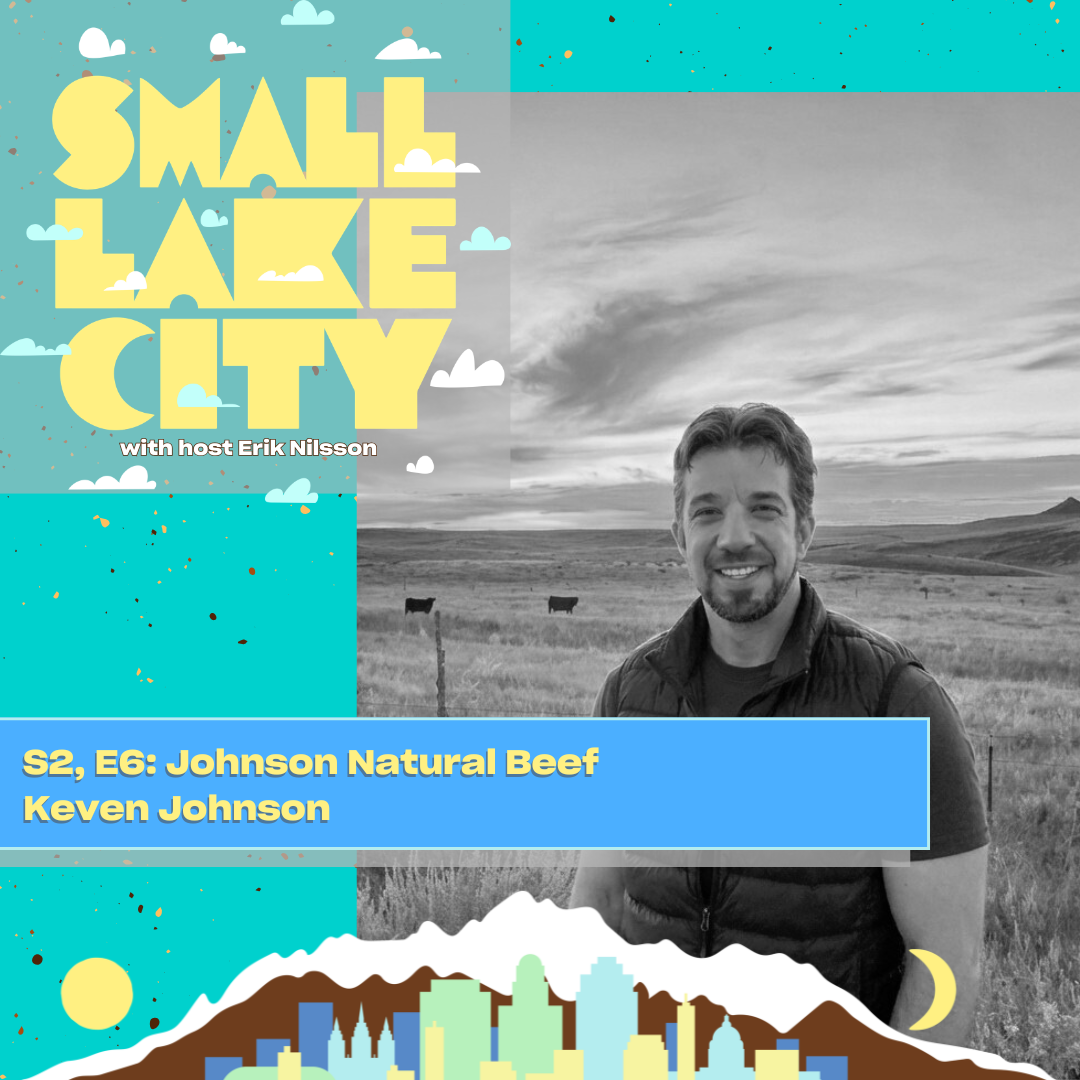
Local food systems are only as strong as the people who build them, and few stories capture that truth like Kevin Johnson’s path from a Wyoming ranch to a molecular biology PhD and back again. Raised on a fifth-generation cow-calf operation near Lusk, he grew up close to the land, the animals, and the meals they became. Years later in big cities, he felt the gap most of us accept: meat appears in the store, stripped of place and process. That distance erodes quality, nutrition, and trust. Kevin saw a chance to shorten the chain for Utah families and restaurants, bringing beef he knew—because his family raised it—directly to people who care where food comes from.
The insight started small: sharing steaks and hamburger with lab mates who raved and asked to buy more. That demand, paired with a centennial recognition for his family’s ranch, pushed him to modernize tradition. He launched a direct-to-consumer channel through Utah farmers markets, then expanded into online sales and restaurant partnerships. The value is simple yet rare: dry-aged, minimally handled beef with transparent provenance. By removing middle layers, he protects flavor and tenderness while keeping nutrition intact. It’s not just taste; it’s accountability. Customers text orders, share their kids’ sports, and ask for favorite cuts by name. Food becomes a relationship again.
Scaling real beef isn’t instant. Unlike software or drop shipping, cattle require 18 to 24 months of planning: breeding decisions, winter feed, pasture management, and processor schedules. Kevin’s parents still run day-to-day ranch work, while he coordinates supply, logistics, and sales from Utah. Demand often outruns inventory, a good problem that requires patience and sustainable growth. He resists shortcuts like commodity sourcing, choosing instead to partner with trusted neighbors only when essential. It’s a commitment to environmental stewardship, animal health, and consistent quality that stands apart from confined operations and monocrop-driven feed systems.
Restaurants became a proving ground. A chef sampled a single pound of ground beef, then asked for more. That relationship turned into steady sourcing for respected local spots, validating the product under professional scrutiny. Yet wholesale must balance with market customers, so Kevin expands carefully. He also diversified with pork, dog treats, and a surprising hit: beef tallow. After a request for hundreds of pounds of fat, he experimented with tallow balms, soaps, deodorant, and cooking tallow. The science mattered—tallow’s lipid profile closely mirrors human skin—so the moisturizers feel natural and effective, a rare union of ranch tradition and lab know-how.
The farmers market remains the launchpad and the feedback loop. Side-by-side with other producers, he tests price points, packaging, and new cuts while sharing samples and stories. The ground beef serves as gateway: one taco night later, customers come back for ribeyes, bavettes, and flat irons, all dry-aged for 21 days to intensify flavor. His kids help at the booth, learning sales and pride in the family’s work. That continuity matters. He sees his role as connecting past and future—honoring the ranch while embracing e-commerce, cold-chain logistics, and restaurant partnerships. In a noisy food world, this is clarity: know your rancher, taste the difference, and keep the supply chain short enough to shake its hand.
Listen to full episode :