S2, E3: Skinworks, School of Advanced Skincare - Natalie Parkin
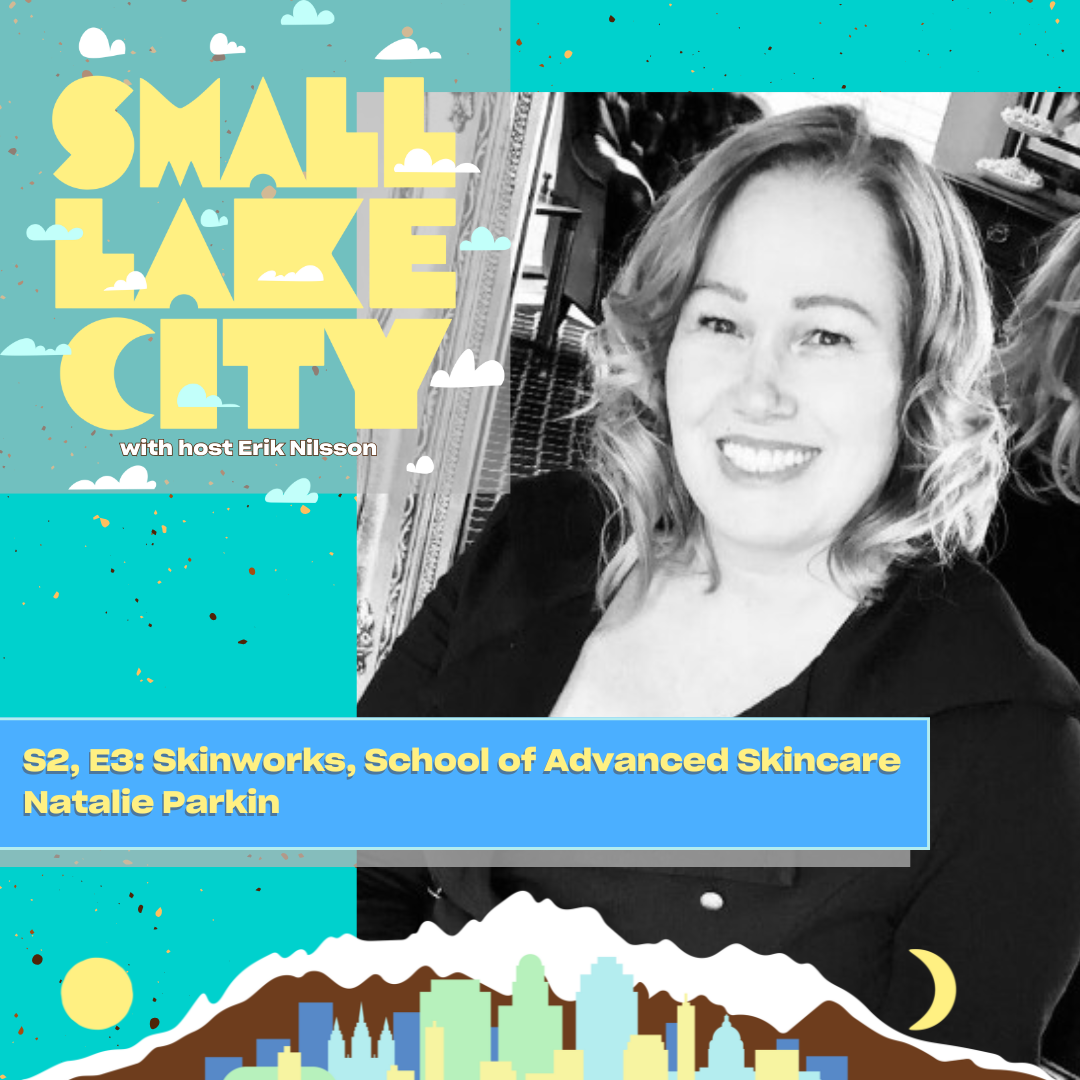
The conversation with Natalie Parkin unfolds like a map of modern reinvention. Her story begins in a shampoo-set salon, detours through single motherhood, and surges into IT and telecom sales before landing at the helm of Skinworks School of Advanced Skincare. What initially looked like a straightforward business buy revealed a tightly regulated world where education, accreditation, client safety, and evolving technology coexist. Natalie found a deeper mission: help students, many of them women seeking flexibility and stability, build careers that fit their lives. That blend of purpose and pragmatism runs through every decision she makes as a leader.
One of the strongest threads is how technology quietly powers aesthetics. Natalie’s background in networks and fiber optics meets daily reality with alexandrite and YAG laser platforms, microcurrent, galvanic treatments, and the maintenance and safety protocols that keep advanced services reliable. Aesthetics isn’t just “pampering.” It’s a hybrid of hands-on care, physics, and precise process, especially in a med spa-heavy market like Utah. That context matters, because students don’t just learn facials and waxing. They absorb standards, device literacy, and communication skills that shape client trust. It’s also why an industry rooted in personal relationships—think waxers with loyal, repeat clients—still depends on systems thinking and continuous training.
Policy enters the picture with surprising force. Natalie describes frequent legislative shifts: hours required, license structures, and the creation of a standalone lash license that jumped from 100 to 270 hours. Utah eliminated the basic aesthetics license, consolidating into a 1200-hour master license. Those choices change how aspiring aestheticians plan school, how employers hire, and how schools track placement outcomes. Advocacy, then, becomes part of the job. Natalie and peer schools show up at the Capitol and in D.C. to protect access to Pell Grants, recognize part-time income in a female-majority field, and keep training aligned with real jobs. The payoff is tangible when policies improve—and painfully obvious when they don’t.
Culture shapes all of this. Utah’s high density of med spas, plastic surgery, and aesthetics-only schools creates both opportunity and scrutiny. Trends recycle—lash perms reborn as lash lifts, microcurrent back in vogue—while new devices and techniques push standards forward. In that flux, the human side is constant: building confidence in students who may need six weeks to comfortably greet a stranger; inviting alumni back for refreshers to expand services and income; rejecting non-competes that punish practitioners for growing relationships. Natalie frames it simply: employers should earn loyalty, not enforce it. That philosophy mirrors how trust builds in aesthetics, one safe, skillful appointment at a time.
The episode closes on practical notes. Skinworks has grown in a central Salt Lake hub, with frequent upgrades and a training clinic that doubles as community outreach. The call to action is refreshingly direct: come get a facial, meet students, and see what modern aesthetics education looks like. For many, that single appointment reframes the industry as a credible career path with flexible scheduling and real earning power. For others, it’s a reminder to wear sunscreen, moisturize, and invest early in healthy skin. Between lasers and legislation, spreadsheets and serums, Natalie shows how a school can change lives by treating beauty like the serious, human-centered, future-facing field it is.
Listen to full episode :