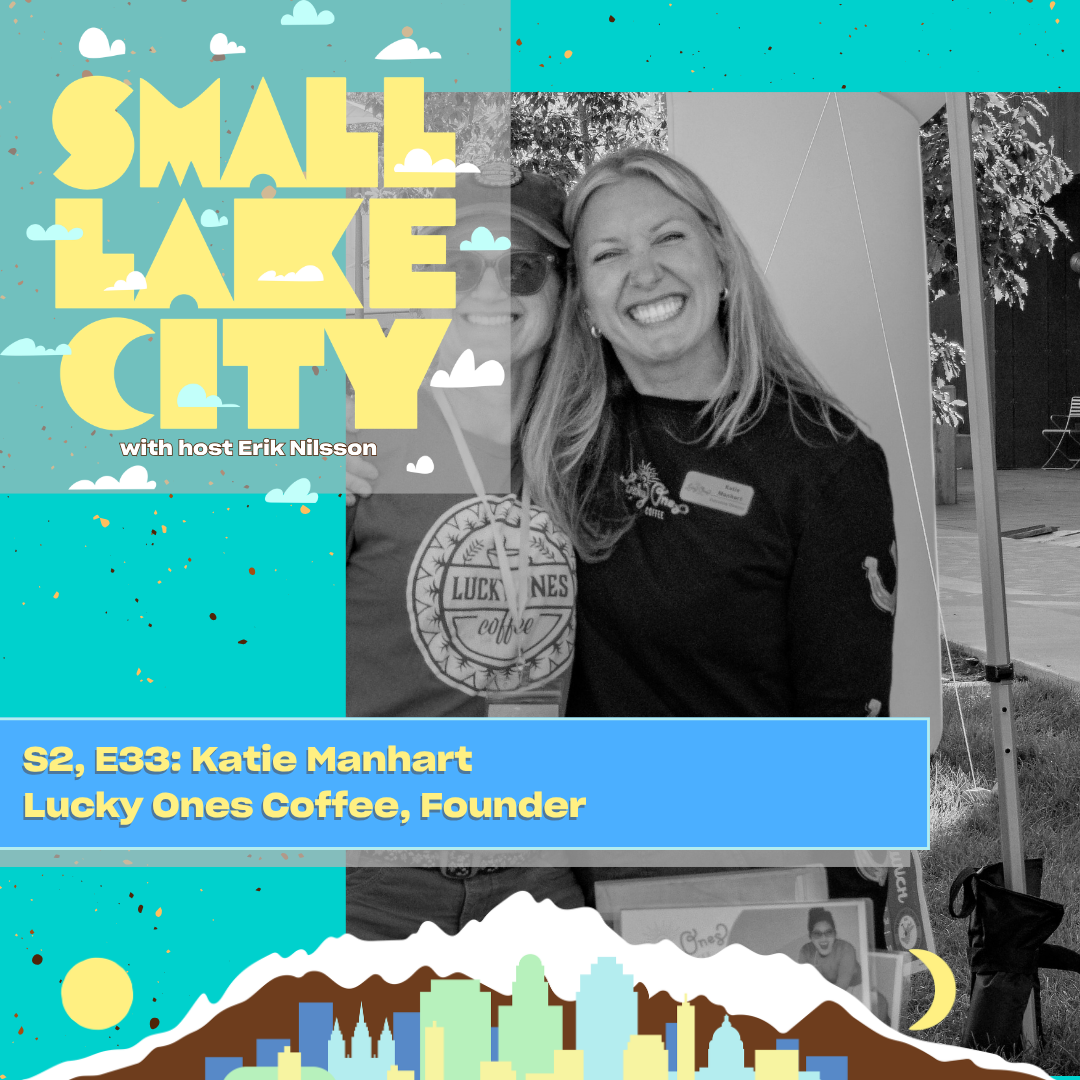
Lucky Ones Coffee started with a simple but radical idea for Utah: build an inclusive coffee shop that hires people with disabilities and neurodiverse adults, then make it so welcoming that “community” is not a slogan but a daily practice. The founders didn’t begin as career baristas or restaurant veterans. Their background was adaptive recreation and therapeutic community building through the National Ability Center, where they saw families struggle with outdated systems, limited placements, and a frustrating gap between training programs and real jobs. That tension fuels the mission today: supported employment that is dignified, skill-based, and social, inside a café that feels like a true third place in Park City and Salt Lake City.
A key lesson running through the conversation is that inclusion works best when connection comes first. In adaptive recreation, you can’t force someone into your world and expect trust to appear. You learn to step into their interests, meet them where they are, and build a relationship before asking for hard things, like putting on ski boots, learning new routines, or navigating a busy work shift. That same principle shows up behind the counter at Lucky Ones. Regulars get greeted by name, dogs become part of the atmosphere, and conversations are treated as the point, not a distraction. For customers, it’s a reminder that life is not only meetings and deadlines. For employees, it becomes a place to belong, practice soft skills, and grow into responsibility.
The episode also tackles the business case for disability employment and neurodiverse hiring, including a Harvard Business School case study that frames the workforce as an untapped market. With one in five people living with a disability and employers everywhere complaining about retention, the mismatch is obvious. Inclusive hiring is not charity. It is a practical strategy when training is thoughtful, roles are structured, and culture is strong. The conversation highlights how small business owners often spend hours on repetitive tasks that could be ideal for someone who wants predictable work, clear expectations, and a team that celebrates consistency. When those conditions exist, reliability becomes a competitive advantage, not a surprise.
Finally, Lucky Ones shows how a social enterprise can scale without losing its soul. Operating inside library café spaces lowers overhead and bakes in community foot traffic, allowing more revenue to flow back into the mission. The team describes growth from a small staff to dozens of neurodiverse employees, remarkably low turnover, and “success stories” that ripple outward, including employees moving into leadership and even being hired into roles with other local businesses. Next steps include expanding locations, deploying a sprinter van for events, and launching job-skill training and resume building through the Building Futures program. If you care about inclusive workplaces, disability inclusion, and community-centered small business in Utah, this story offers a model worth copying.
Listen to full episode :