S2, E32: Mistborn, Building Dragonsteel & Becoming Fantasy’s Biggest Author with Brandon Sanderson
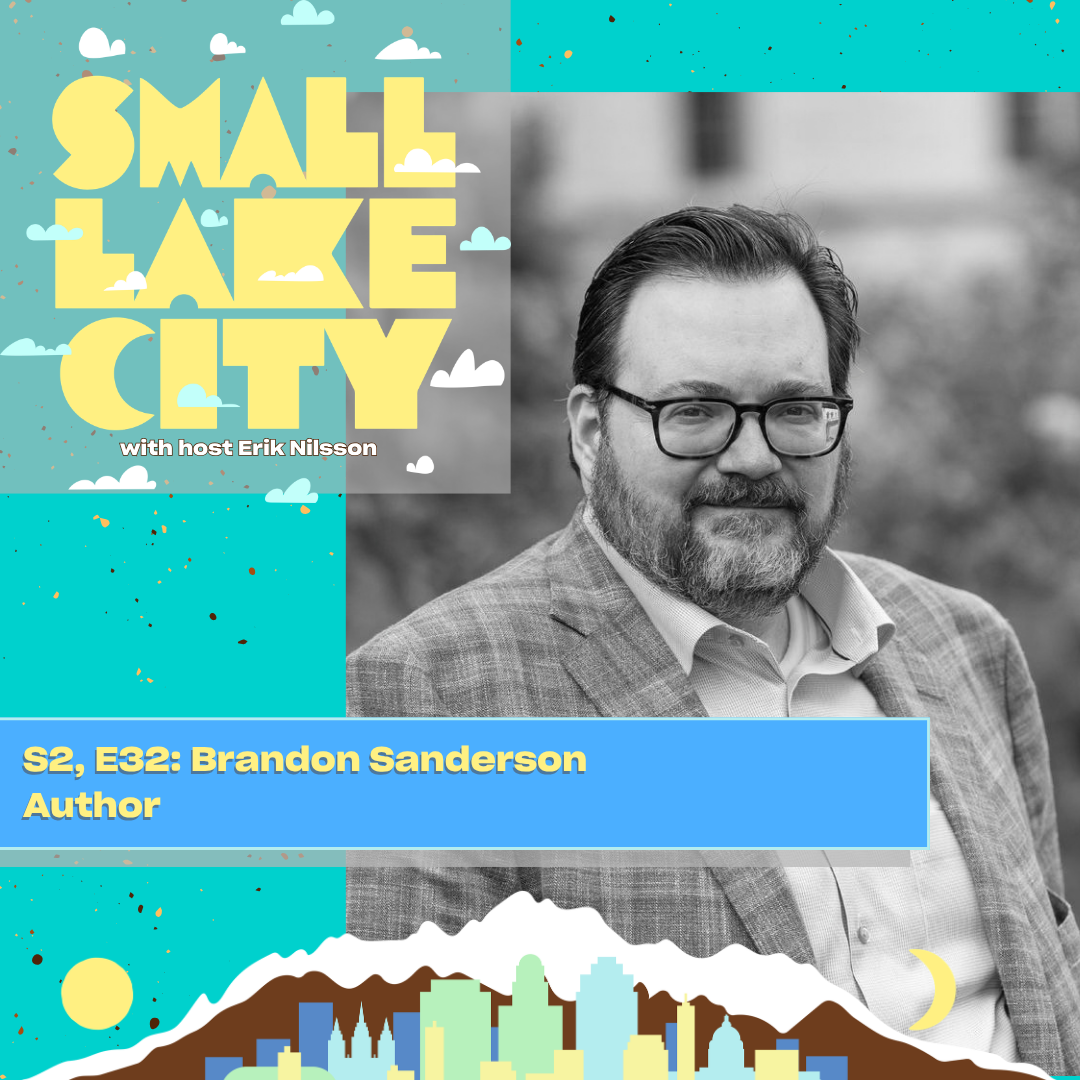
Brandon Sanderson’s path to becoming a bestselling fantasy author is less about a single lucky break and more about stacking the right experiences until the outcome becomes inevitable. He talks about starting as “a guy writing books” in a friend’s basement, then slowly realizing the job can put you in rooms with fascinating people who share the same obsessions, from epic fantasy to Tolkien. That change mirrors a broader cultural shift: “nerddom” is no longer niche. Video games like Halo, massive franchises like the MCU, and mainstream hits like Game of Thrones gave millions of people a shared language for science fiction and fantasy, making it easier for new readers to find authors like Sanderson, Mistborn, and The Stormlight Archive.
A key theme is how creativity can go dormant and still come back. Sanderson describes falling away from reading in grade school, then being pulled back in at 14 by a teacher who challenged him to actually read, not fake a book report. That one intervention reoriented his identity and future career. He also explains the practical pressure many artists feel: supportive parents can still doubt that writing is a real job, especially without visible examples. His early plan to study biochemistry collapsed when college chemistry turned into math-heavy “weeder” classes, and the contrast clarified everything. Writing created a time-bending flow state where hours vanished and the work felt energizing, while chemistry felt repetitive and draining. That emotional signal became data he trusted.
Sanderson’s most actionable writing advice centers on deliberate practice, not talent myths. He embraced the idea that early novels are often bad, which gave him permission to write five books as pure training without the pressure of publication. That “runway” helped him build craft through repetition, problem solving, and experimentation with genre and structure. As a long-time teacher of science fiction and fantasy writing, he frames craft like any art: no lecture replaces doing the work, failing, then fixing what broke. He highlights tools such as aligning story “promises” with “payoffs,” diagnosing when a book is drifting into a different mode (horror versus mystery), and trying multiple revision strategies until one fits your brain and the specific story.
The conversation also digs into the publishing industry and why Sanderson built Dragonsteel as a direct-to-consumer business. A pivotal moment came when a publisher dispute led Amazon to remove Macmillan titles for a month, revealing how fragile an author’s livelihood can be when a dominant platform controls access to readers. His response was to “work for the fans,” developing premium leatherbound editions and later crowdfunding models that reduce platform dependence. The idea is simple: let affordable ebooks, libraries, and sales expand readership, while collectors fund beautiful editions and high-touch service. That same self-reliant mindset now shows up in Cosmere adaptation work. After years of stalled progress, he learned screenwriting by writing multiple scripts, then took a more hands-on role to protect the story he knows best. Even place matters: Utah’s mountains and southern Utah slot canyons influenced Stormlight settings, while family and travel access keep the creative engine sustainable.
Listen to full episode :