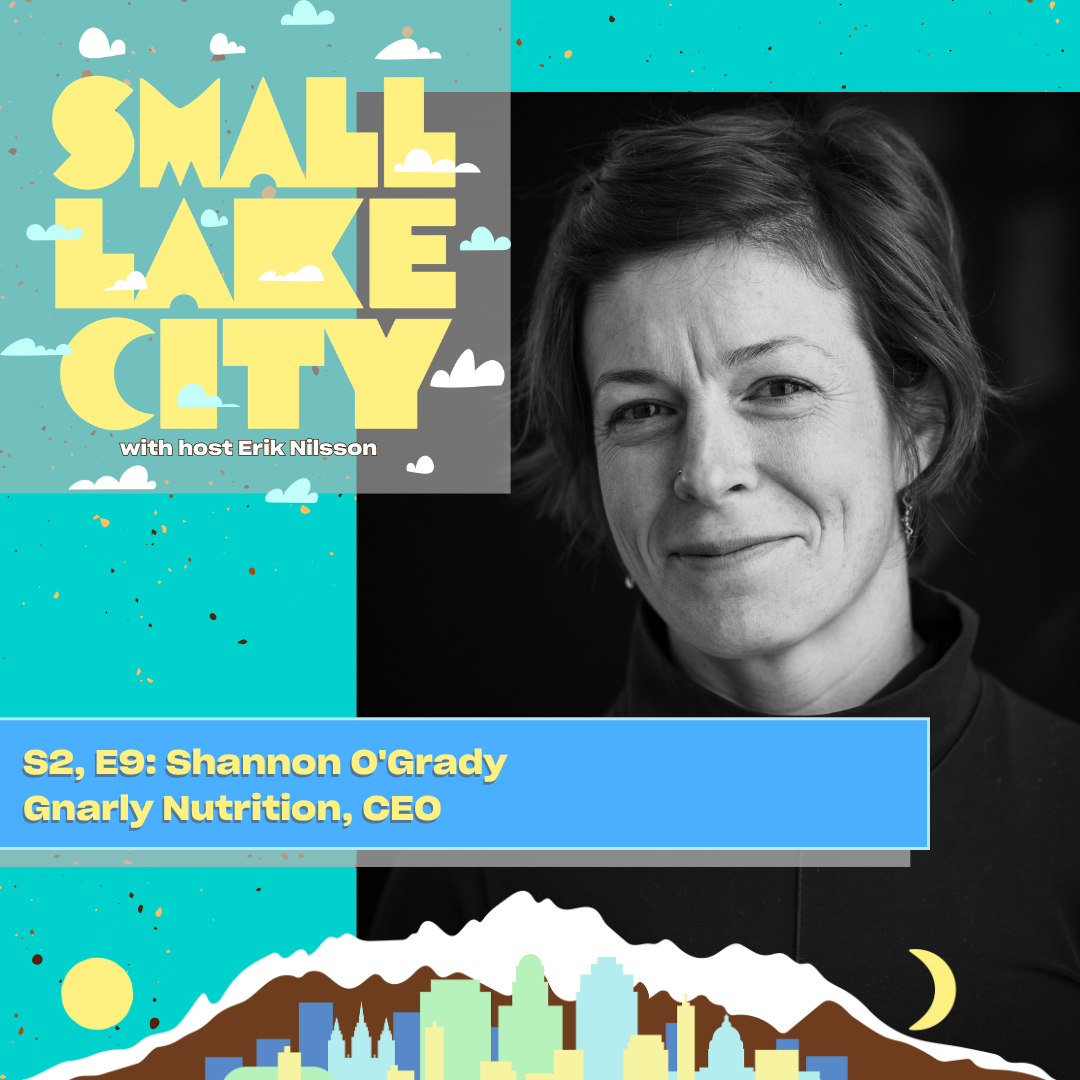
S2, E9: Shannon O’Grady - Gnarly Nutrition, CEO
The supplement industry is loud right now, especially around hydration, sleep aids, and “longevity” powders that promise a whole new life in one scoop. A more grounded approach starts with a simple truth: supplements are supplemental. Food-first nutrition still matters most, and the best sports nutrition strategy is usually boring basics done consistently. When brands imply you need electrolytes morning, afternoon, and before bed, it turns performance nutrition into a daily dependency. For many people doing a one-hour workout, sodium and fluids from normal meals are already enough, making the current electrolyte hype feel less like science and more like advertising.
A major issue is transparency. Many popular products hide behind proprietary blends, where you see a long list of ingredients but not the dose of each one. That allows “fairy dust” amounts: tiny quantities that look impressive on a label yet are unlikely to deliver meaningful benefits. It can also make verification harder, because you cannot easily test whether each ingredient is present at the claimed amount. A trust-centered brand approach emphasizes full disclosure, realistic claims, and formulations based on peer-reviewed research rather than influencer trends. If a product claims to balance hormones, boost metabolism, or “fix” sleep without lifestyle change, that is often a red flag.
Quality control is where sports nutrition gets real. GMP compliance and third-party testing help confirm a supplement is safe and accurately labeled, including checks for contaminants like heavy metals and microbes. For athletes, banned-substance screening matters too, since contaminated supplements can contain compounds that show up on drug tests. Even for non-elite athletes, these tests protect basic health and reduce the risk of consuming unknown stimulants or adulterants. Certifications and audits are not the only way to make a good product, but they make it easier for consumers to verify claims in a market where trust is often earned the hard way.
The conversation also highlights how everyday life drives supplement use. Busy parents, endurance athletes, and people juggling training with work may use protein powder for convenience, not as a replacement for real meals. Vitamin D and omega-3 supplements can be practical gaps to fill, especially when sun exposure is limited or fatty fish is rare in the diet. Creatine stands out as one of the most researched supplements in the world, with strong evidence for strength and performance and growing interest in cognition under high-stress conditions like sleep deprivation and aging. The key is framing it as a support tool, not a magic fix.
Finally, performance is not only physical. Jiu-jitsu becomes a powerful lens for resilience because it teaches problem-solving under pressure, comfort with discomfort, and the humility of constant learning. That mindset maps directly onto training, recovery, and sustainable health habits. Whether you are trail running in the mountains around Salt Lake City or just trying to feel better on a hectic week, the best results come from honest labels, evidence-based dosages, and routines you can actually maintain. In sports nutrition, the biggest “edge” is often clarity: knowing what you are taking, why you are taking it, and what it realistically can do.
Listen to full episode :