S2, E29: How Salt Lake Lost Its Japantown with Kelyn Ikegami
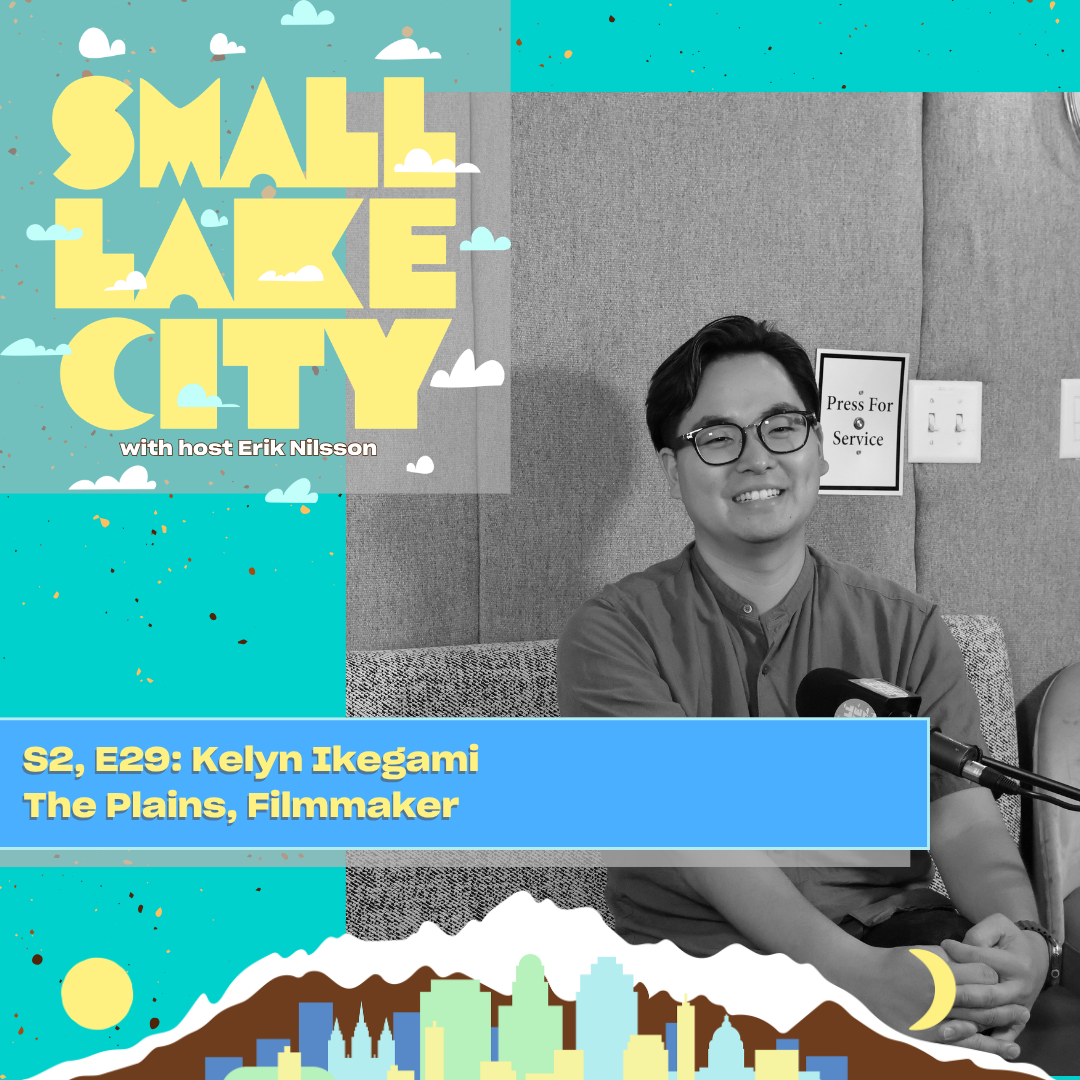
Salt Lake City’s Japantown is one of those local history stories that hides in plain sight. A street sign near the Delta Center hints at a neighborhood that once thrived, even though the present-day footprint feels like a forgotten corridor behind the Salt Palace Convention Center. The conversation traces Japanese American history in Utah from early immigration and labor to the way communities form around mutual aid, language, culture, and safety. It also shows why “Japantown Street” matters as more than a label: it is evidence of a real Japanese American neighborhood that supported restaurants, markets, churches, a Buddhist temple, and the everyday life that turns arrivals into a home.
The roots go back to the late 1800s, when railroads, mines, and other hard labor drew immigrants across the West. As Japanese workers came to Utah through recruiting and job placement efforts, they also needed housing and community, which helped concentrate people near one another. The episode then turns to World War II and the Topaz internment camp in Delta, Utah, and the brutal reality of displacement. After the war, many Japanese Americans left Topaz with little more than a bus ticket and a small amount of cash, making Salt Lake City’s established Japantown a practical refuge. That postwar influx helped the area become one of the largest Japantowns in the country, a place to rebuild life after incarceration, theft of property, and forced separation.
The most painful shift comes with urban renewal and eminent domain. In the 1960s, city leaders pursued modernization and an Olympic bid, deciding an arena should be built where officials believed “nobody cares.” The result was the Salt Palace Arena and the destruction of Japantown as a functioning neighborhood, scattering families and businesses, sometimes out of Utah entirely. The episode confronts the way development is often marketed as progress while sidelining the people who pay the price. It also connects this history to broader questions about late-stage capitalism, how sports and entertainment projects can dominate civic priorities, and how a city can become “sterile” when it trades living culture for interchangeable buildings.
What makes the story land is how the documentary “Japantown” approaches public history through personal memory. The filmmaker follows Paul Iwasaki, whose detailed recollections of buildings, families, and daily routines become a map of what was lost. That method avoids a detached timeline and instead restores texture: where people shopped, gathered, worshipped, and felt known. The episode also tackles the present, as Salt Lake City again discusses a sports and entertainment district around Japantown Street, raising fears of repeating old mistakes. Listeners come away with practical paths to engagement, including the Utah Japantown Advocates and community events, plus a reminder that preservation is not nostalgia, it is a choice about whose stories get to remain visible.
Listen to full episode :