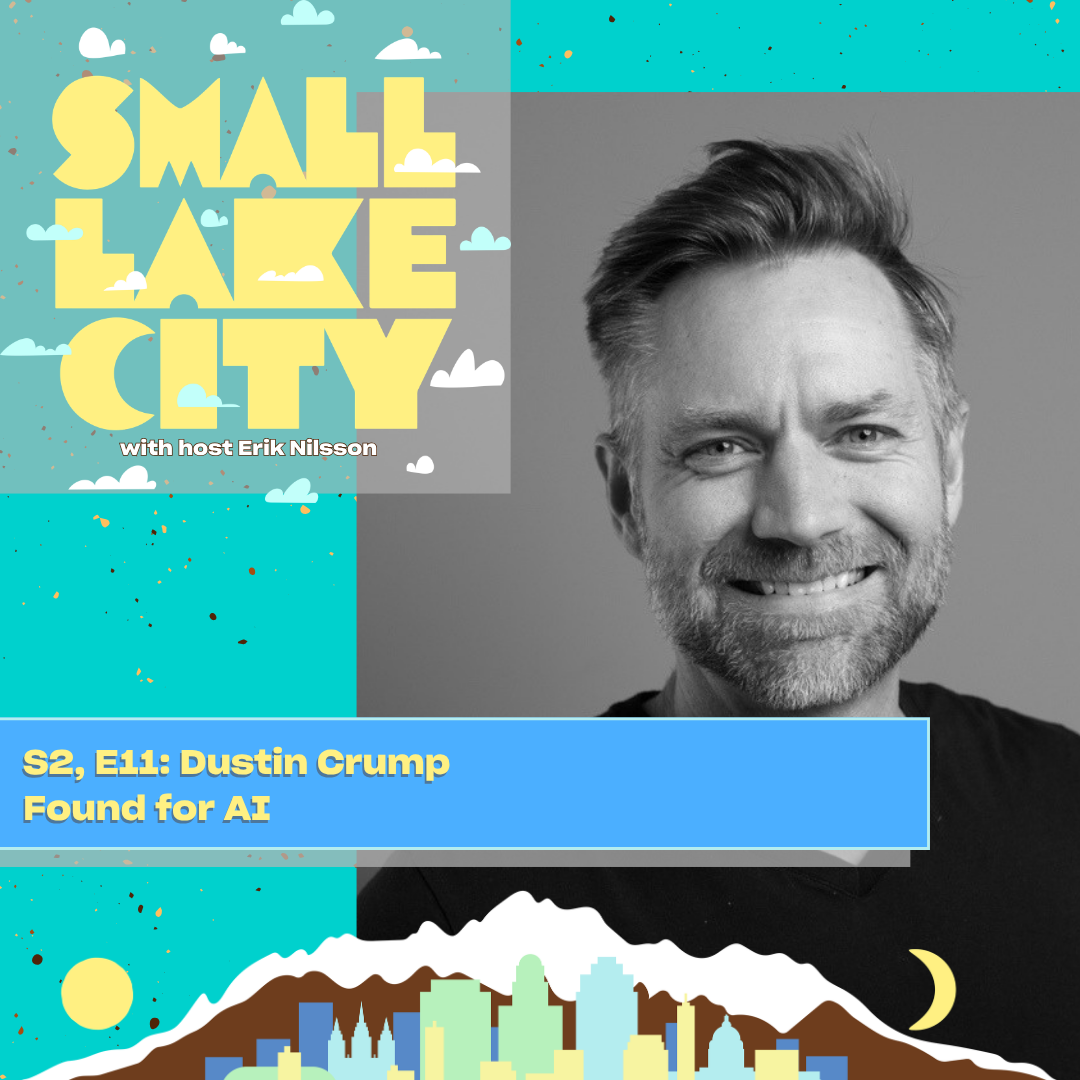
Search behavior is shifting fast from classic Google queries to conversational generative AI tools like ChatGPT, Claude, and Google Gemini. Instead of typing “accountant near me,” people now ask for a recommendation that matches their budget, location, and personal preferences. That change forces a new digital marketing strategy for small business owners: you are no longer just optimizing for a search engine results page, you are optimizing for an answer. AI search optimization is becoming the next frontier after local SEO, and the businesses that adapt early earn disproportionate visibility while everyone else wonders why leads are drying up.
A major theme of the conversation is “getting found and recommended by AI,” not just indexed. The guest describes discovering that customers were being referred directly by AI systems after he added clearer machine readable information to his website. That moment reframed his service from general AI automation consulting into a focused offer around AI discoverability. The takeaway for entrepreneurs is practical: test how your business appears inside multiple models using incognito or fresh prompts, then treat those results like a new channel. If the model cannot confidently describe what you do, who you serve, and where you operate, it will recommend someone else.
The core tactic discussed is an AI visibility layer built with structured data and schema markup. This is a nonvisual layer in your HTML that spells out the facts an AI agent needs: services, prices, location, hours, customer types, and other key attributes. Humans can infer meaning from design, images, and copy, but models and agents work better when the facts are explicit. When you add structured data, you reduce guessing and hallucination, and you increase the likelihood that AI systems will surface your business for relevant prompts. Think of it as making your site readable for robots in the same way accessibility makes it usable for more people.
The episode also looks ahead to agentic search and AI agents acting like personal assistants. The “we’re all going to be Oprah” idea is simple: software will know your preferences, pull context from your calendar and messages, and make choices for you. That makes your business data even more important because agents will filter ruthlessly. If your site does not specify things like vegan options, oat milk, accessibility, or event details, the agent may skip you even if you are perfect. For event based businesses, adding an events layer with structured event markup can be a growth lever because people will ask “what should I do tonight?” and the AI will choose from the businesses that publish clean, structured event data.
A final thread is mindset. The guest argues that the right move is to embrace AI as a tool, not fear it as a replacement. Used well, it becomes a copilot for drafting, analysis, planning trips, summarizing spreadsheets, and speeding up work without losing your voice. That supports the rise of the expert generalist, where founders can prototype, market, and ship faster without a huge team. The competitive edge is not just using AI, but using it intentionally: strong prompts, clear constraints, and content that stays authentically yours while automation handles the busywork.
Listen to full episode :