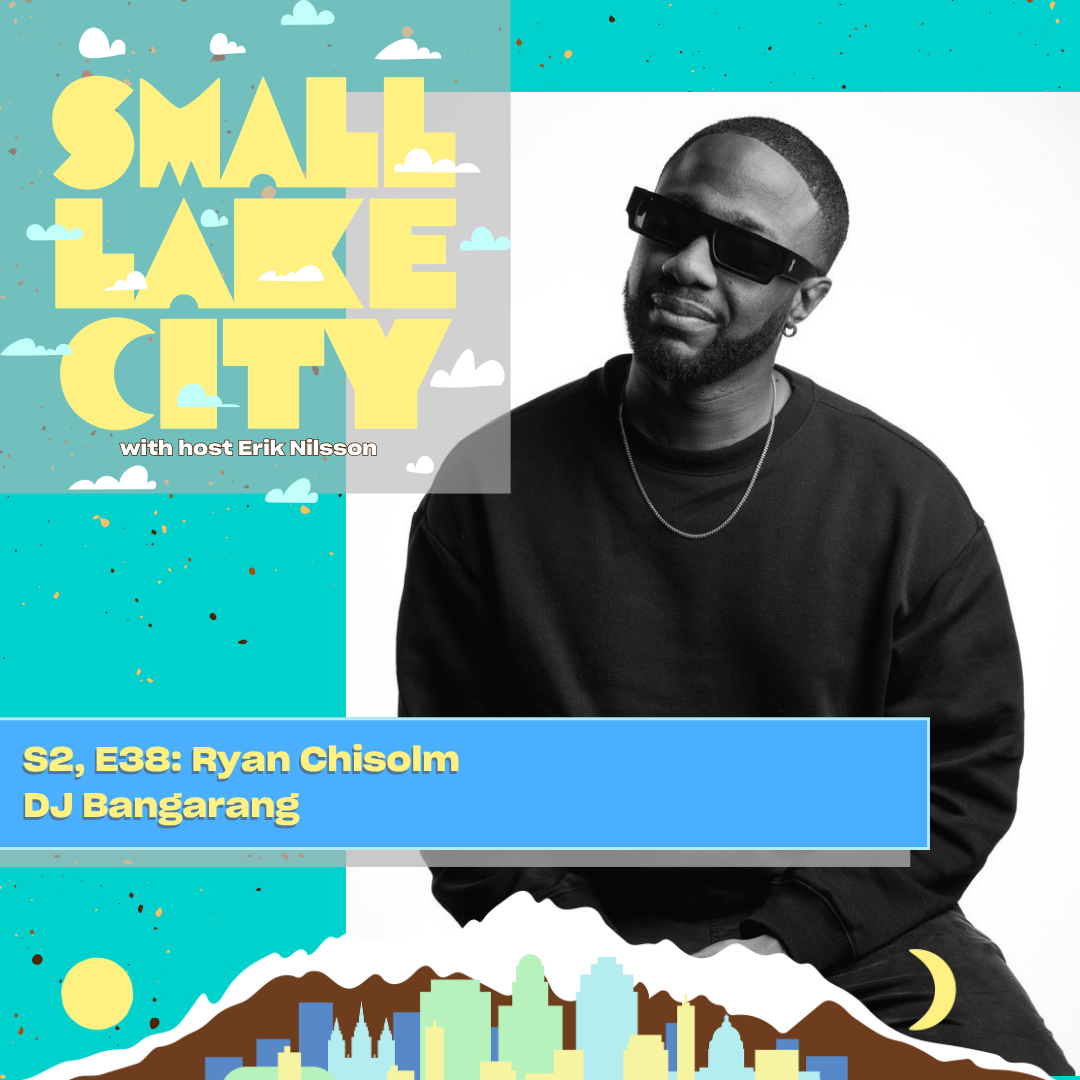
The path to becoming a successful Salt Lake City DJ rarely looks clean, and Ryan, better known as DJ Bangarang, is honest about that. His story starts with a life split between Kansas City and St. Louis, where his music taste got built from hip hop and R&B to alternative, pop, and rock. That wide listening base became a skill, not a hobby, because it helped him connect with different crowds in Utah nightlife and beyond. What stands out is how he frames the journey around finding your purpose, especially when your identity feels shaky and distractions start pulling you off course.
A big turning point comes through college, Greek life, and the classic “music guy at parties” pipeline that becomes real work. Bangarang talks about learning DJing during the rise of big room EDM, the spread of controllers, and how software like Serato lowered the barrier while raising expectations. He moves from house parties into radio DJ work with X96 and U92, plus promotional street teams and live remotes. That era teaches discipline and clean technique, because radio demands tight transitions and professional decision-making even when the environment is chaotic.
The grind gets extreme when he stacks roles, mixing mornings at the station, working an IKEA shift for benefits and stability, then coming back for more radio and club nights. It highlights a familiar tension for creatives: the day job that checks boxes versus the calling that keeps “reeling you in.” He also breaks down how different venues require different programming, from 90s and 2000s nights to open format club sets and crowd feedback that forces you to adapt fast. The takeaway for aspiring DJs is simple and uncomfortable: people remember bad DJing more than good DJing, so consistency matters.
Post-pandemic, the music industry shifts hard. Streaming accelerates radio decline, podcasting rises, and touring economics change as artist fees jump and social media creates new income streams. Bangarang describes stepping into the talent buyer world and why it can feel draining for a creative, especially when competing with major promoters like Live Nation and AEG. At the same time, he notices Salt Lake City’s growing pull for tours and the pressure that puts on ticket prices and venue competition. If you care about live music in Utah, this is a clear look at why the market feels different now.
What brings the whole conversation together is the idea that peace is a strategy, not a luxury. After divorce and a tough personal reset, he commits to going all-in on DJing, corporate events, and content creation for DJs, using social media to show the real workload behind gigs. That content helps open doors, including becoming the University of Utah football DJ and earning an opportunity with the Utah Jazz game experience. He talks about journaling, therapy, managing energy like “browser tabs,” and learning to say no rather than putting out a weak event. For any creative trying to build a sustainable career, his message lands: show up, protect your peace, and put yourself in position for the next opportunity.
Listen to full episode :